
Introduction to Senior Safety Equipment
As individuals age, maintaining independence while ensuring safety becomes an increasingly important priority. Therefore, the appropriate safety equipment is vital for seniors to navigate their daily lives effectively. Safety equipment plays a crucial role in promoting mobility, reducing the risk of accidents, and offering support as the physical capabilities of seniors may diminish. Whether living independently or within assisted living facilities, this equipment is essential in fostering a secure environment.
Mobility challenges are prevalent among elderly populations, making it imperative to have the right tools to assist them. For instance, mobility aids such as walkers, canes, and wheelchairs are designed to enhance mobility while minimizing the chances of falls or injuries. These aids not only support seniors in moving about safely but also give them the confidence necessary to engage in daily activities without fear.
Moreover, safety equipment extends beyond mobility aids to include various products designed to ensure a safe living environment. Examples include non-slip mats, grab bars in bathrooms, and alerts systems for emergencies. Each of these items addresses specific challenges seniors might encounter at home or in public spaces. By investing in these devices, families and caregivers can create an atmosphere that encourages independence, thus allowing seniors to engage confidently in their regular routines.
Furthermore, the psychological benefits associated with the use of safety equipment should not be underestimated. When seniors know they have access to the right tools, their sense of security and well-being is enhanced. The resulting quality of life improvements are invaluable, contributing positively to mental health and overall happiness.
Types and Benefits of Walkers
Walkers are essential mobility aids for seniors, providing stability and boosting confidence while walking. They come in various types, each designed to meet specific needs and preferences.
The standard walker is the most basic type, typically constructed from aluminum and featuring four legs with rubber tips. This design offers excellent stability, making it an ideal choice for seniors who require significant support when moving around. However, users must lift the walker to take each step, which can be challenging for some individuals.

- FOLDING WALKER. An adult walker that easily folds for transportation. Simply press on the two buttons and the walker fol…
- HEIGHT ADJUSTABLE WALKER. A walker for seniors that is height adjustable. Marked peg holes allow the walker to be adjust…
- LIGHTWEIGHT WALKER. The mobility walker is very light and maneuverable and has sides that detach for storing in tight sp…
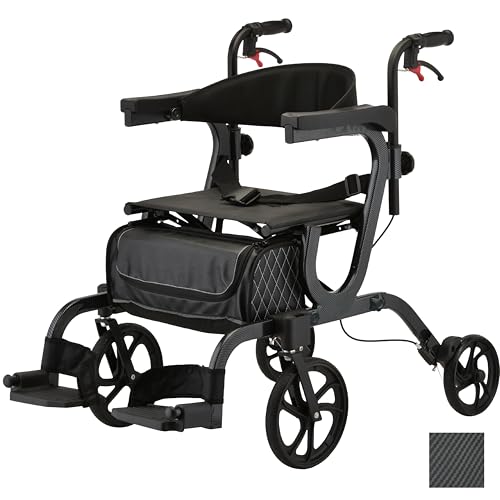
Rollators, also known as wheeled walkers, have wheels on the front legs, allowing for smoother movement. They often come with additional features such as hand brakes, a seat, and storage compartments. This makes rollators suitable for seniors who may need to transport items or take breaks while walking. The ease of movement and additional features encourage seniors to remain active and engaged, thereby supporting their overall well-being.
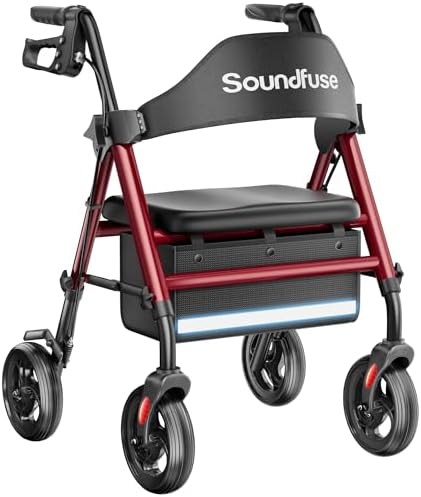


Knee walkers, or knee scooters, are designed for individuals recovering from foot or ankle injuries. Instead of bearing weight on the injured leg, users rest their knee on a comfortable pad while propelling themselves forward with the other leg. This type of walker is particularly beneficial for those who find it difficult to use crutches or need more stability during recovery.


When selecting the appropriate walker, seniors should consider their individual needs, balancing factors such as the level of support required and specific mobility limitations. Personal preferences, such as weight and maneuverability, should also factor into the decision-making process. Consulting with healthcare professionals can further assist in determining the best option to ensure safety and independence.
Safety Rails: Enhancing Stability in the Home
Safety rails are an essential feature in homes designed for seniors, providing crucial support and stability where it is needed most. These installations include grab bars for bathrooms, handrails for staircases, and bed rails, each serving a vital role in preventing falls and enhancing mobility. By offering a secure grip, safety rails can alleviate the risk of slips and trips that may lead to serious injuries.
When it comes to bathrooms, grab bars are particularly important, as this area is often associated with higher fall risks. Properly installed grab bars next to toilets, bathtubs, and showers offer seniors a reliable point of support for getting in and out safely. It is recommended that these bars should be placed at appropriate heights to accommodate various mobility levels and should be situated at locations where they are easily accessible.

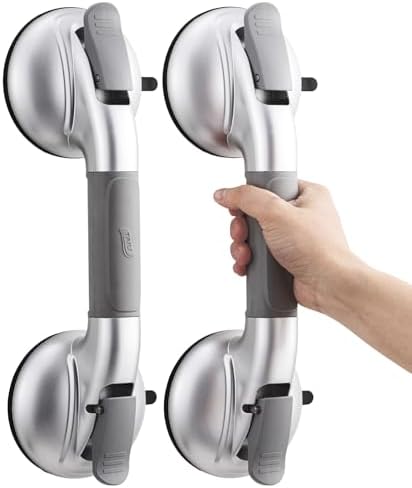


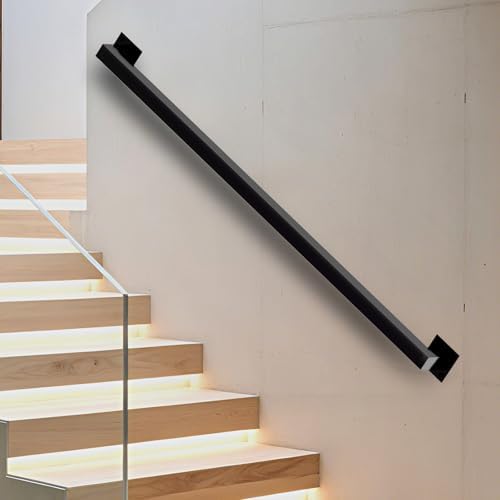
Handrails are another key element, particularly for staircases. They should be installed along both sides of the stairs, extending the full length to provide continuous support. The height of the handrails should comply with local building codes, generally between 30 and 38 inches from the stair treads. Ensuring that handrails are secure and can withstand weight is critical to their effectiveness.
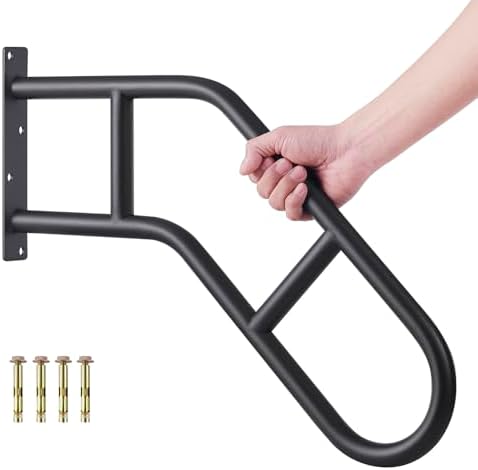


Bed rails also play an important role, especially for those who may experience difficulty in getting in and out of bed. These rails can prevent falls during the night and provide assistance for seniors when they need to sit up or adjust their position. Like other safety rails, they must be installed securely to ensure they provide adequate support.
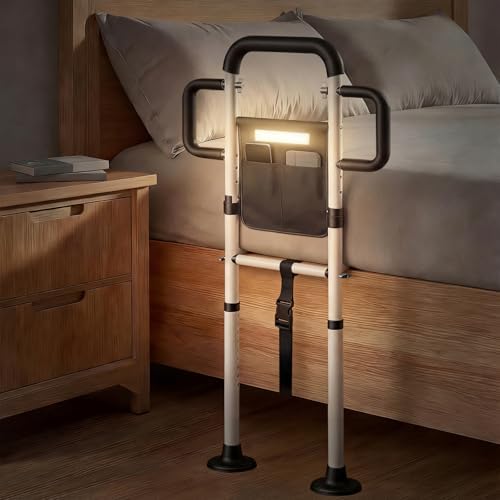
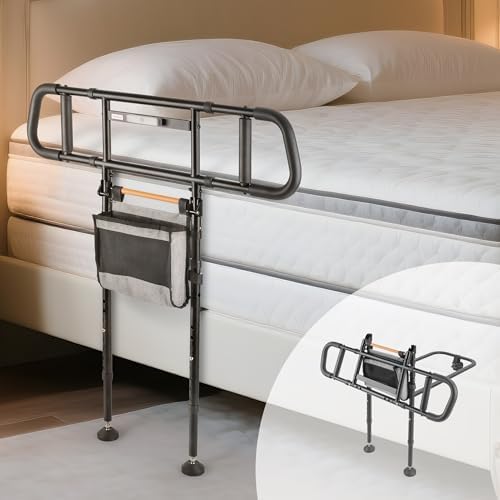


Overall, the installation of safety rails in a senior’s home greatly enhances their independence while contributing significantly to their safety. Care should be taken to ensure proper placement and secure installation to maximize their effectiveness, allowing seniors to navigate their living environments with confidence.
Hearing Aids: Aiding Communication and Safety
In the realm of senior safety, the importance of maintaining effective communication cannot be overstated. Hearing aids have emerged as indispensable devices that significantly enhance auditory perception, thereby fostering safer interactions in daily life. For seniors, the ability to hear clearly is crucial not only for social engagement but also for enhancing overall safety. Poor hearing can lead to misunderstandings, increase the risk of accidents, and hinder the ability to respond to environmental alerts, such as alarms or approaching vehicles.
There are various types of hearing aids available on the market today, each designed to address specific hearing loss challenges. Behind-the-ear (BTE) aids are popular due to their comfort and ease of use, making them suitable for seniors with dexterity challenges. In-the-ear (ITE) models are custom-molded to fit directly in the ear canal, providing a more discreet option for those who prefer not to showcase their devices. Additionally, there are also digital hearing aids that offer advanced features such as noise reduction and environmental adaptability, which can further enhance the user experience in varied situations.




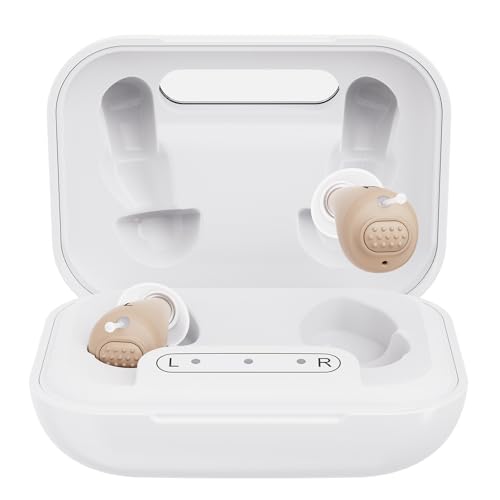
When selecting a hearing aid, it is essential to consider multiple factors. First, consulting with an audiologist can help determine the type and extent of hearing loss, ensuring the chosen device is tailored to individual needs. Features such as battery life, connectivity options (like Bluetooth), and volume control should also influence the decision-making process. Ultimately, investing in a suitable hearing aid can transform a senior’s ability to communicate effectively, promoting not only health and happiness but contributing significantly to their safety by ensuring they remain alert and aware of their surroundings.
Commodes: Meeting the Needs of Seniors
Commode chairs serve as essential safety equipment for seniors, particularly for those who face mobility challenges or find it difficult to access traditional toilet facilities. These specially designed chairs facilitate greater autonomy, ensuring that seniors can manage their personal hygiene with dignity while minimizing the risk of falls or accidents that frequently occur in trips to the bathroom.
One of the key benefits of commode chairs lies in their versatility. Available in various styles, including wheeled models, stationary options, and those that can be placed over existing toilets, commodes cater to the diverse needs of individuals. Wheeled commode chairs allow for easy transport, so caregivers can assist seniors who require mobility support without the need for heavy lifting. For those who prefer the traditional layout, a stationary commode placed strategically near the bedroom or living area can greatly simplify access, ensuring safety during nighttime routines.


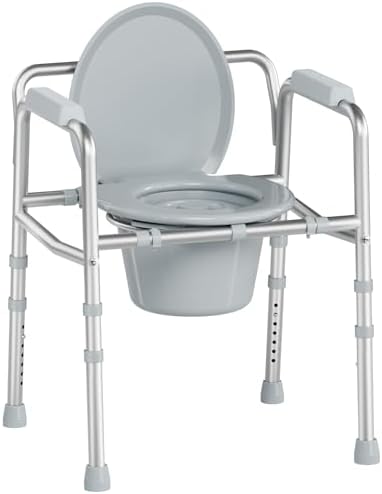
When selecting a commode chair, several factors should be considered to guarantee comfort and accessibility. First, the height of the chair should match the user’s needs, as too low or too high a seat may cause discomfort or difficulty in standing. Additionally, many commodes feature adjustable legs or armrests, which can further enhance comfort. The materials used in the commode chair’s construction should also be examined, opting for options that are both sturdy and easy to clean. Lastly, some models offer added features such as padded seats and backrests, ensuring that users feel at ease during use.
In conclusion, commode chairs are a vital equipment option for facilitating accessibility and comfort for seniors. By providing a safe and convenient solution for personal hygiene challenges, these chairs empower individuals to maintain their independence while minimizing the risks associated with bathroom trips.
Bath Chairs: Promoting Safe Personal Care
Bathing is a necessary daily activity that can pose significant risks for seniors, particularly due to slippery surfaces and difficulty standing for prolonged periods. Bath chairs and stools are essential aids that enhance safety during personal care routines. These specialized products allow seniors to sit comfortably while bathing, substantially reducing the risk of slips and falls.
The primary benefit of using bath chairs is stability. Many models feature non-slip surfaces and secure grips that firmly anchor them to the floor or tub. This design ensures that seniors can bathe independently, cultivating a sense of autonomy while eliminating the worry of unintentional accidents. Additionally, bath chairs often come equipped with drainage holes, allowing water to flow away easily and maintaining a safe and hygienic bathing experience.

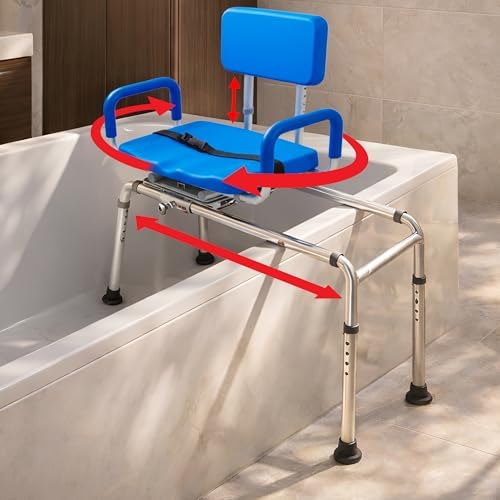
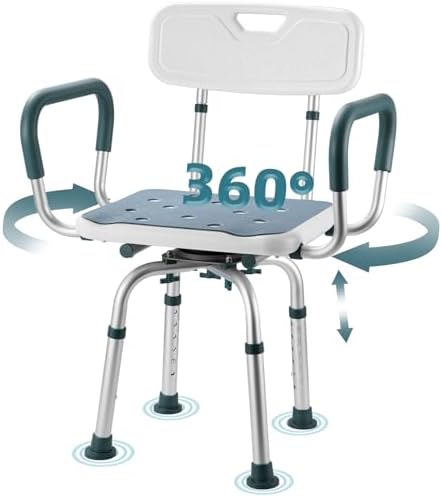
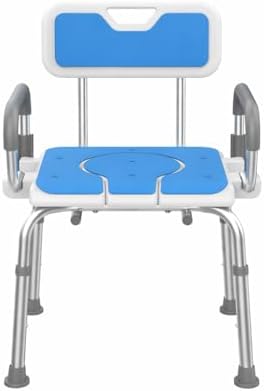

When selecting a bath chair, it is crucial to consider the specific needs and preferences of the user. Factors like chair height, width, and weight capacity play a significant role in determining the right fit. Adjustable options are available, enabling customization according to various bathroom setups. It’s advisable to assess the space available within the bathroom and choose a model that complements it without obstructing movement. Furthermore, seniors should consider whether they prefer a stationary bath chair or a portable stool, depending on their living situation and mobility requirements.
In addition to physical characteristics, it’s vital to evaluate the materials used in bath chairs. Rust-resistant finishes and easy-to-clean surfaces can significantly enhance durability, ensuring the product remains functional and appealing over time. Investing in quality adaptations such as bath chairs contributes to greater safety during one of life’s most personal activities, ultimately promoting overall well-being.
The Importance of Mobility Aids
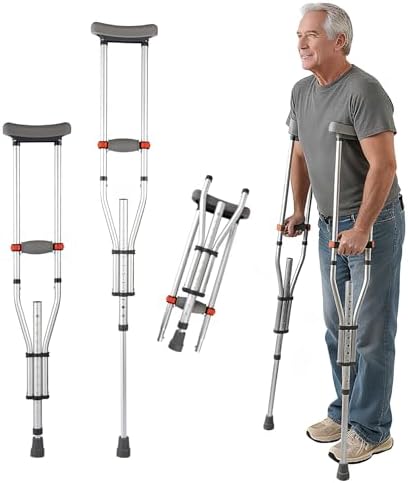
Mobility aids encompass a broad range of devices designed to assist individuals with limited movement or mobility difficulties. Beyond the commonly recognized walkers, this category includes canes, crutches, and wheelchairs, each serving specific needs tailored to different levels of mobility impairments. These aids play a crucial role in facilitating safer movement, helping to maintain independence, and promoting the overall quality of life for seniors and individuals dealing with mobility challenges.
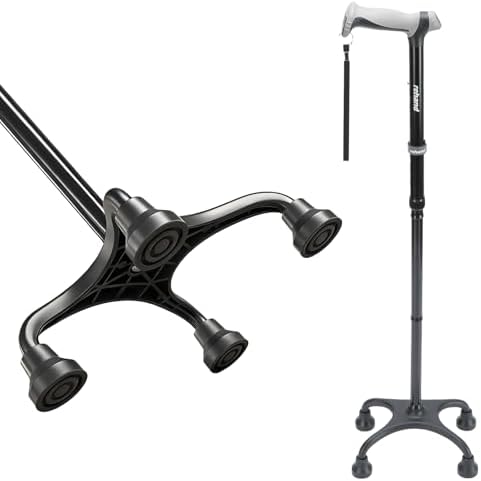
Canes are among the most versatile mobility aids available. They provide additional support, improve balance, and alleviate pressure on the legs and joints. For individuals who need minimal assistance, a cane can be an effective and easily manageable solution. Crutches, often used during recovery from injuries, allow for more significant weight relief and can be adjusted to fit individual height needs. Each mobility aid can enhance daily activities, enabling seniors to engage more comfortably in their routines.

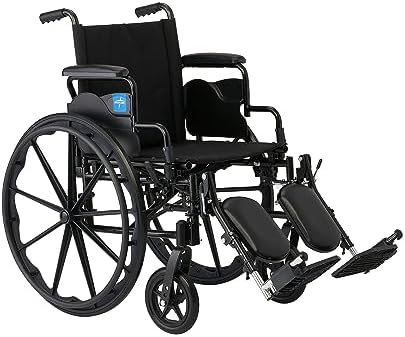
Wheelchairs, offering both manual and powered options, cater to individuals whose mobility is significantly restricted. They allow users to navigate various terrains safely and can be essential for maintaining social interactions and participating in community activities. Choosing the right mobility equipment varies based on the individual’s specific health requirements, level of independence, and lifestyle preferences. It is advisable for seniors or their caregivers to consult with healthcare professionals to evaluate options based on their unique mobility levels and physical condition.

Additionally, when selecting mobility aids, consideration should be given to the features that ensure comfort, ease of use, and safety. Adjustable height, lightweight design, and intuitive operation are critical factors that contribute to an individual’s confidence while using the aids. Ultimately, the right mobility aids not only enhance mobility but also empower individuals by bolstering their sense of autonomy and freedom.
Emergency Alert Systems: A Crucial Layer of Safety
Emergency alert systems, also known as personal emergency response systems (PERS), are essential for ensuring the safety and well-being of seniors. The primary function of these systems is to provide immediate access to help in the event of a fall, medical emergency, or any situation where a senior may feel threatened or unsafe. These systems can empower seniors to maintain their independence while simultaneously ensuring that assistance is just a button press away.
The operation of a PERS is typically straightforward, designed for ease of use. Most systems consist of a wearable device, such as a pendant or wristband, equipped with a button that, when pressed, connects the user to a monitoring center. Upon activation, trained professionals assess the situation and dispatch emergency services if necessary. This prompt response can significantly reduce the time a senior may spend without help, which is crucial in medical emergencies, where every second counts.
Many options are available in the market, catering to the varying needs and preferences of seniors. Some systems offer features such as fall detection, which automatically alerts the monitoring center if a fall is detected, even if the user is unable to press the button. Other systems include GPS tracking, which is particularly beneficial for seniors with Alzheimer’s or other memory-related conditions, allowing caregivers to locate them easily in case they wander away from home.

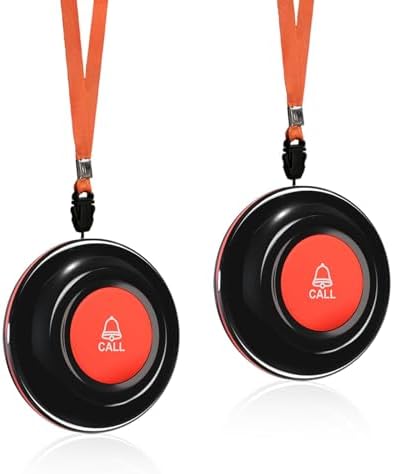
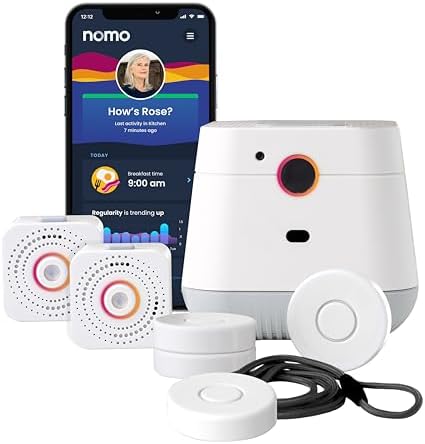

In addition to traditional landline-based systems, mobile emergency alert devices are gaining popularity, as they allow seniors to remain connected while on the move. These devices can integrate with smartphones, providing additional functionalities such as two-way communication and health monitoring features, further enhancing safety and peace of mind.


Conclusion: Investing in Senior Safety Equipment
In an aging population, ensuring the safety and well-being of seniors is paramount. This blog post has outlined various essential safety equipment tailored to meet the needs of older adults. From mobility aids such as walkers and canes to personal emergency response systems, these tools are vital for fostering independence while minimizing risks associated with falls and accidents.
One of the key takeaways is that investing in appropriate safety equipment is not merely a precaution; it is an essential step towards enhancing the quality of life for seniors. By assessing the specific needs of the elderly individuals in your life, you can select the equipment that best supports their mobility and daily activities. For instance, incorporating non-slip mats in the home can significantly reduce the chances of falls, while grab bars in bathrooms can provide the necessary support during daily routines.
Moreover, communication devices and alert systems can ensure seniors remain connected to emergency services or loved ones in case of a crisis. These products, along with proper education and training on their usage, empower seniors to manage their own safety more effectively. It is also important to consider the emotional aspects of using safety equipment; encouraging seniors to adopt tools that promote safety can boost their confidence and encourage their independence.
Ultimately, prioritizing senior safety equipment is a compassionate response to the challenges faced by older adults. By taking action and investing in these tools, caregivers and family members can significantly contribute to the health and safety of seniors, allowing them to live comfortably and confidently in their own homes.